 For a long time I didn’t ‘get’ rabbit. “It tastes just like chicken,” people told me. Why not eat chicken, then, I wondered. It was like frog’s legs (which, by the way, taste like chicken only if one imagines one’s chickens cold-blooded and amphibious). I.e., it seemed to me like bourgeois foodie one-upmanship. And there’s the cute factor. When I tweeted about making this ragu, someone replied mournfully that their father had killed their pet rabbit and they never got over it. I too had a pet bunny as a child, and I have cats, and the little rabbit carcasses uncomfortably remind me of my kitties. But if you are a carnivore, wild rabbit is about the most sustainable meat you can eat. Rabbits breed, well, like bunnies (apparently a wild rabbit will have five to six litters a season), unlike most animals we eat they spend their whole lives outdoors, they are killed humanely, and the meat consists entirely of lean white-meat protein. Rabbit beats all or almost all other lean meats for protein to fat ratio. In the UK, you can buy a whole two to three kilo wild rabbit for about £4, which, considering that nearly all of that is usable meat, is extraordinarily good value for those of us trying to cook well on a budget. And rabbit doesn’t really taste like chicken, any more than monkfish tastes like lobster.
When I’m cooking lean gamey muscular meat, I like to do three things to it, usually in this order: marinate it; braise it; and stew it. It’s a lengthy process, but once you’ve determinedly battered at the collagens with low, slow cooking, the meat relaxes, absorbs all the delicious braising juices, and attains mythic proportions of deliciousness. The first time I cooked a rabbit ragu I was astonished by how flavourful it was. The meat stood up to the rich sauce, maintaining its density and distinct, subtle flavour. The first time I cooked a rabbit ragu was also the first time I jointed a rabbit. Nobody had ever showed me how, and it’s possible that actual butchers and chefs would throw up their hands in disgust at my efforts, but it wasn’t too difficult.
When you are buying a rabbit (if you’re motivated by environmental concerns, do cook wild rabbit – farmed rabbits have almost the same impact on the environment as farmed chickens), look for a rabbit with firm, dark-pink flesh and a sweet smell. Rabbits shouldn’t smell particularly gamey. You probably will start out with something that looks like this (tender-hearted vegetarians, don’t read further; this blog post has bunny carcass photos): Continue reading →
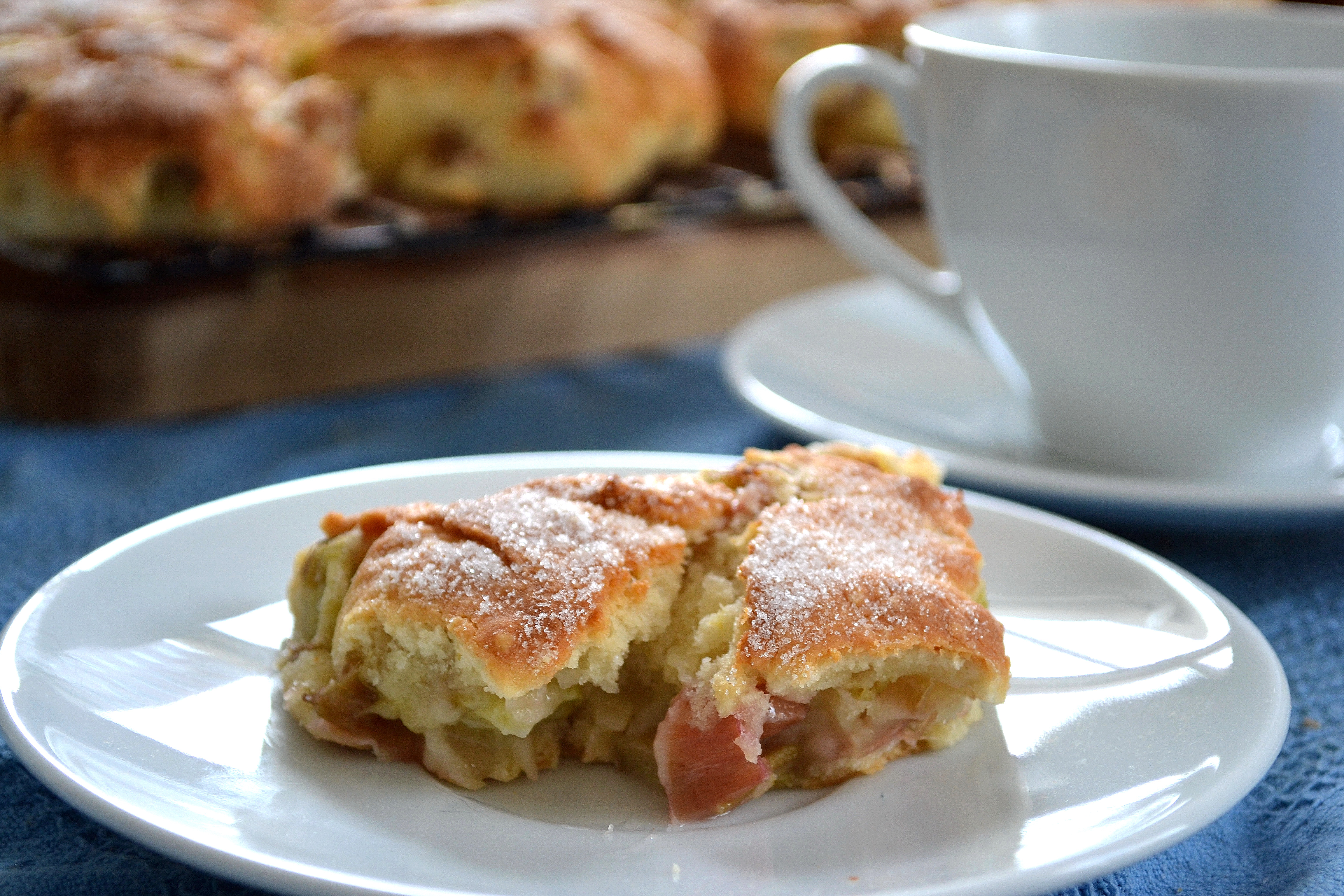 I have never been a fan of austerity in baking. Give me egg yolks. Give me butter. Give me cream or, better yet, give me buttercream. I don’t want to eat dessert, I want Dessert with a capital D. Which is why, for many years, I did not understand the appeal of scones. My mother didn’t bake them, so the scones I ate were store-bought, dry, crumbly things, perhaps adorned with a few miserly flecks of dried currants, that stuck to the roof of my mouth like paste no matter how much jam I slathered on them.


 Susan eats London