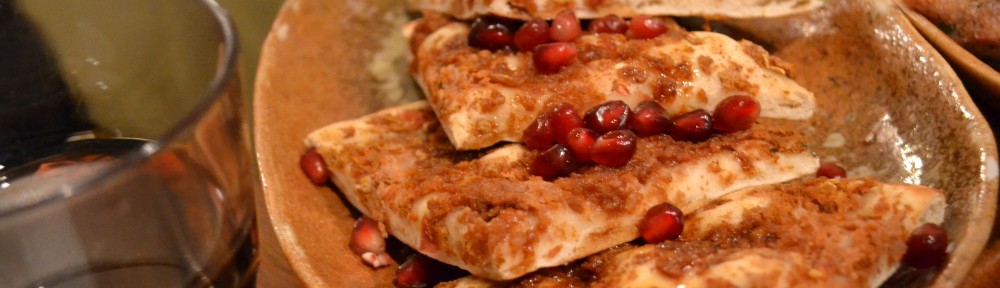
It feels like it is always winter in Warsaw. The city is flat, like a prairie or steppe. Once a beautiful city, Warsaw was virtually razed to the ground by the Nazis in 1944 in brutal reprisal for the Polish resistance. It was rebuilt by the Communists into squat utilitarian concrete blocks. Only the old town, also destroyed by the Nazis, has been reconstructed in a painstakingly exact facsimile of the beautiful gothic historic center that used to exist. Warsaw’s streets are broad and straight, and an icy Siberian wind sweeps from east to west.
I was in Warsaw most recently in December, with my mother. It was brutally cold; a dull leaden sky hung low over the city, through which one could occasionally catch glimpses of the sun, a distant icy disc. It snowed every day. The snow blew down the tram lines and squeaked underfoot. Softened by years in temperate Seattle and gentle, gray London, I was so cold. Moisture from my breath condensed and froze on the scarf I had wrapped around my face. I breathed in shallow little gasps. I was too cold to think, too cold to talk. It was in Warsaw that I discovered I have Raynaud’s disease, in which decreased blood flow to the extremities causes them to turn white and numb. My mother and I would set out to walk the city. I would last twenty, maybe thirty minutes before my toes would lose sensation, and then start to ache. There was a narrow window of time, at this point, before the pain would become unbearable and I would have to stop somewhere warm.
On Saturday my mother and I took the tram to the corner of Jerozolimskie and Marszalkowska and then walked to Nowy Świat on our way to the Old Town. It was early afternoon, past lunchtime; we had maybe an hour more of daylight. My mother had a destination in mind, U Kucharzy, in what used to be the hotel Europejski, one of the few buildings that survived the Nazis. A wonderful example of Art Deco opulence, the Hotel Europejski stolidly faced its arch-rival across the street, the elegant Art Nouveau Hotel Bristol. The Gessler group has taken over and renovated what used to be the vast kitchens below the hotel. They’ve kept the massive oil stoves, the tiled walls, and the checkered floors. On a far wall in a small dining room is an enlarged black-and-white photograph of the hotel in its heyday, thronged with people in elegant formal dress. From a distance, they almost look real. Continue reading

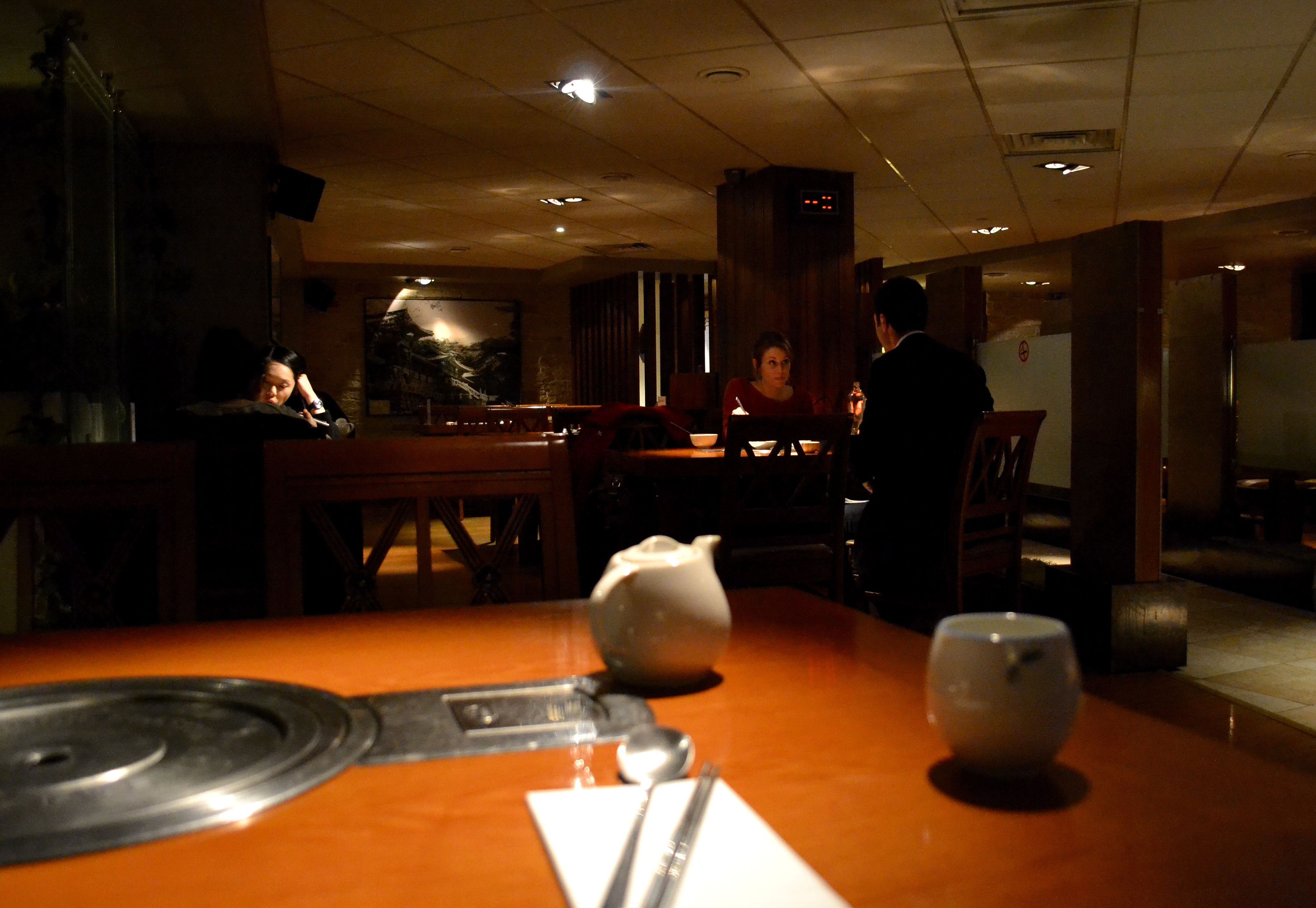
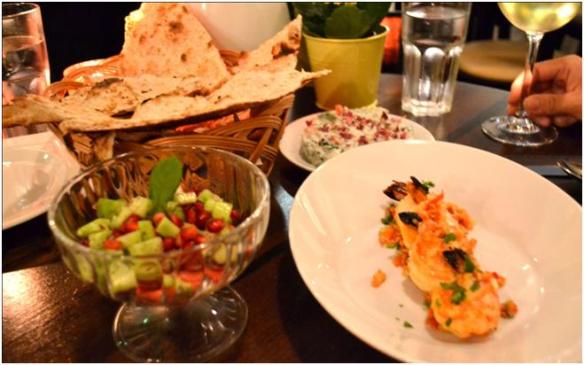

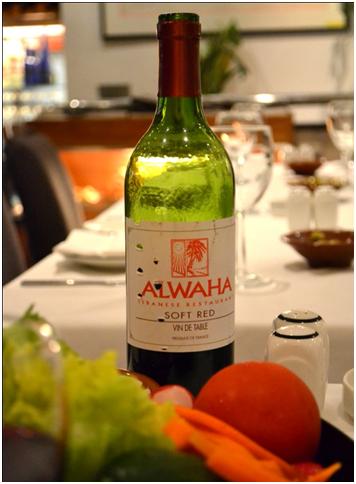 Al Waha is a west London institution. In 2008, Colin Firth called it his favourite table in London (cue
  Three minutes after I got to Au Passage restaurant/wine bar, I started to fret that taking my parents there was a mistake. Let me explain: Au Passage is a hipster spot. Located down a slightly grungy alley in the 11th arrondissement, Au Passage looks and feels like a dive bar. The tables and chairs are a mish-mash of club chairs and hand-me-downs, the bar is fully stocked, the playlist seems to consist of nothing but the White Stripes, and the menu is 10 or 12 items scrawled on a chalkboard. In other words, it’s the kind of place where I feel right at home
 Susan eats London