Pomegranate and Basil Marinated Beets with Preserved Kumquats and Pistachios

DSC_0512aThere was a time, I remember, when I did not regard beetroot with the fanatical adoration I feel now. In fact, when I was little, I didn’t like beets at all. I hated beetroot’s sweet, iron-rich flavour and the cooked-fruit texture it acquires when roasted or boiled. I disliked the sweet-and-sour cooked grated beetroot, sour cream and horseradish salad that I was forced to politely eat at the homes of my mother’s Polish friends and relatives, and I despised hot borscht. I now love all of these things. In fact, I can only think of a single iteration of beetroot that I don’t adore, and that’s those flabby beetroot slices you find at salad bars, but those aren’t really beets at all, anymore than tinned corn is corn.
This is a beetroot-lover’s salad. Beets are not some shy accessory, but the main attraction. Continue reading

Preserved Salted Kumquats

DSC_0491aWhen I lived in Seattle, I had a chef friend who on slow Sundays would invite me to the restaurant while he developed new dishes. The restaurant was near the Pike Place Market, and on clear afternoons the sun shone from the west, glinting off of Puget Sound, illuminating and warming the timbers in the restaurant. I would get tipsy on prosecco or minerally white wine, and taste the nascent dishes. I only remember one thing I tried, but it made such a strong impression on me that I think about it still. Buttery yellowtail sashimi, studded with finely-sliced tiny golden pinwheels, crunchy flakes of salt, dots of basil purée, and extra virgin olive oil. It was the little iridescent pinwheels that threw me. They were deeply tangy, salty, and aromatic, with a concentrated, citrusy flavour that threw the taste of the rich fatty fish into relief. “What is this?” I asked. “Preserved kumquats,” he said. Continue reading

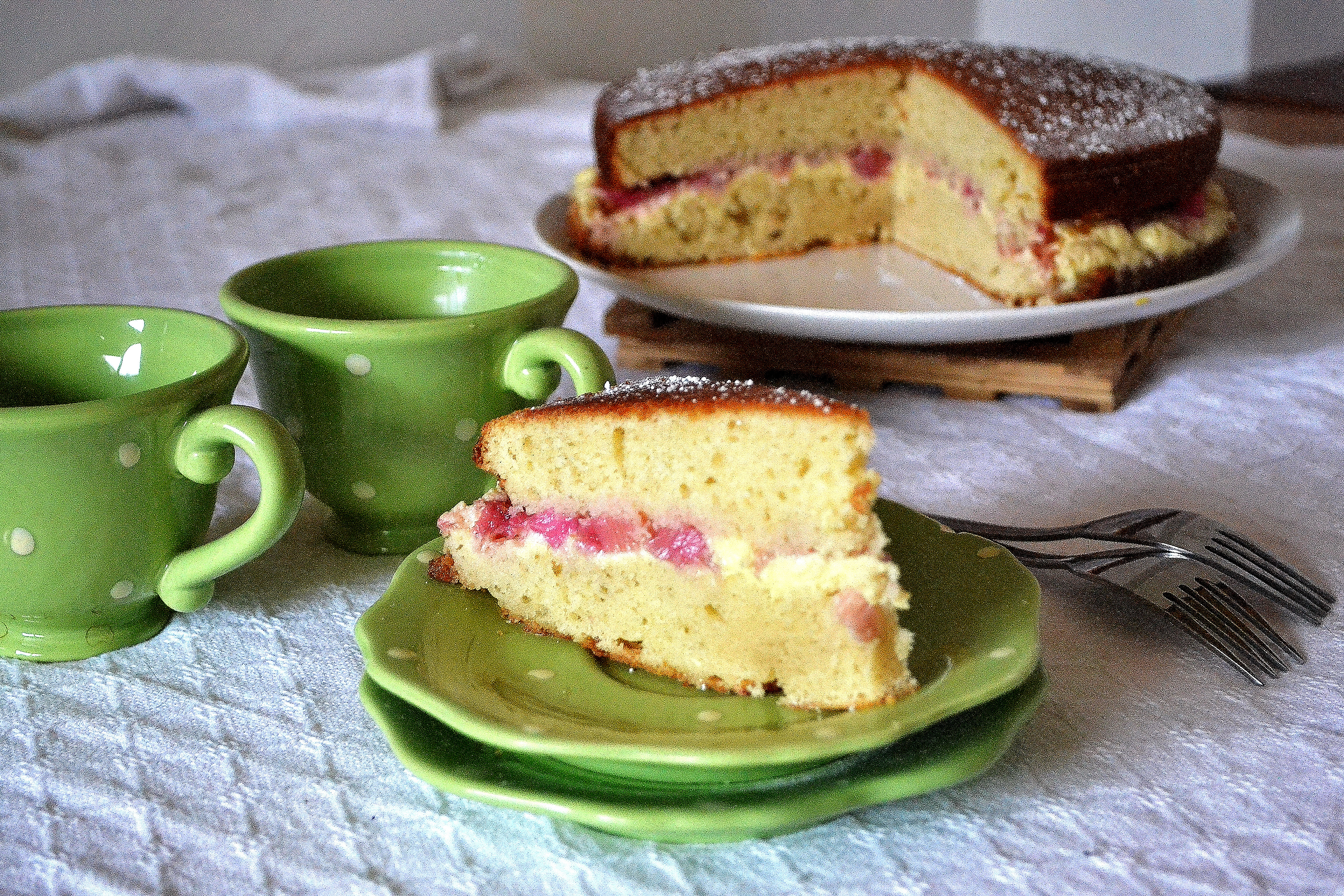
Rhubarb and Custard Victoria Sponge

DSC_0476bMany apologies for the long hiatus between blog posts. I have been travelling, eating, playing, and of course cooking. I’ve got fun posts coming up, including my new favorite restaurant in Paris and my foodie adventures in Istanbul. But for now I bring you this lovely cake.

I was unfamiliar with that wonderful British classic, the Victoria sponge, until I moved to London. As with many traditional English sweets, this cake is a keeper. In its simplest form, Victoria sponge is just two vanilla sponge cakes, sandwiched around jam and clotted cream, or whipped cream and fresh berries, and dusted with powdered sugar.  But of course this formula can be tweaked in numerous delicious ways. Continue reading

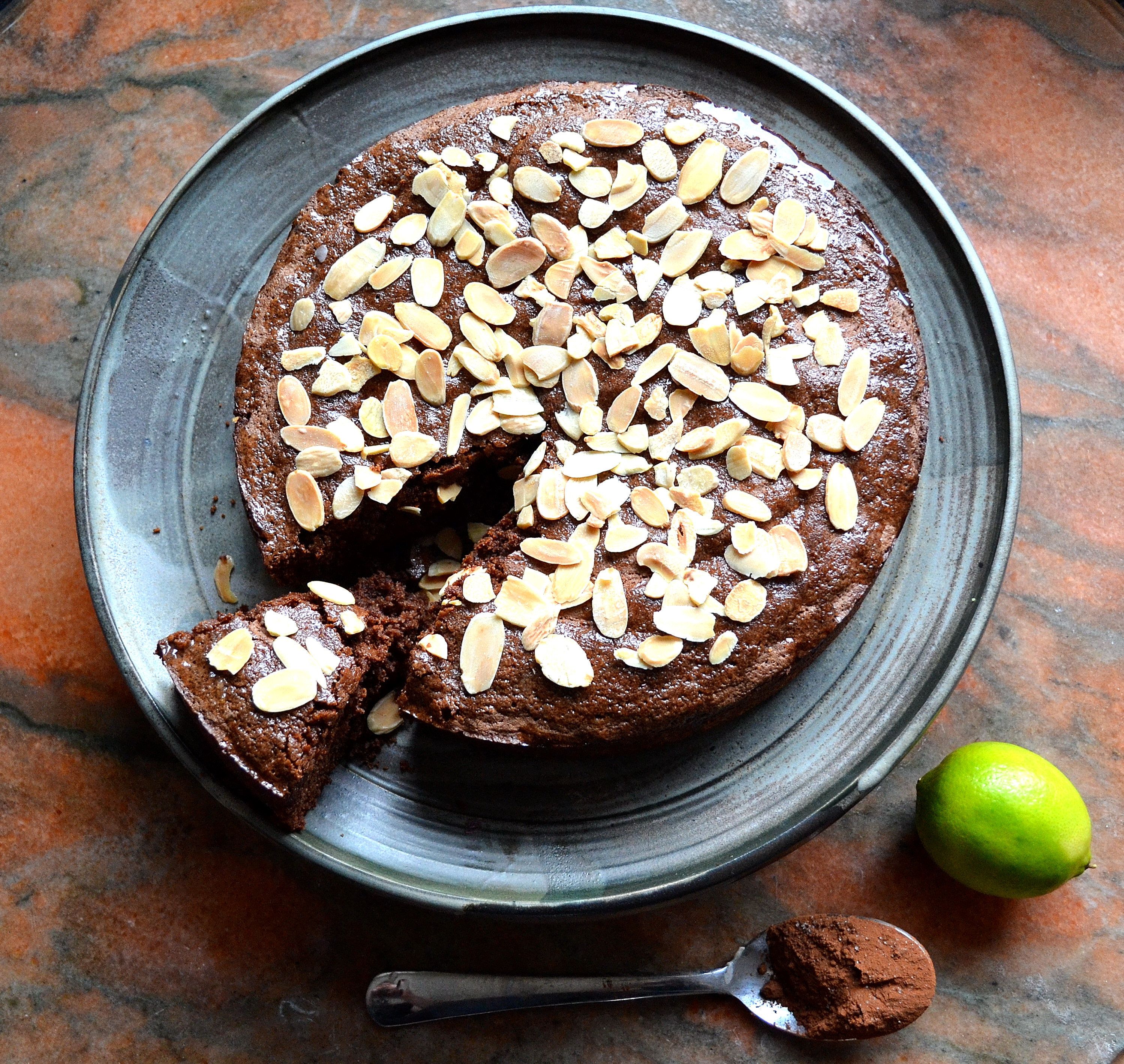
Chocolate Almond Lime Semolina Cake

DSC_0373aThis cake is the happy result of an experiment in gluten-free baking* for my Lovely Flatmate, who is gluten-intolerant, but lacks the willpower to resist my baked goods. It’s based loosely on a Greek cake called Revani, which traditionally is made of a mixture of semolina and almond flour, and sweetened with a sticky orange syrup. My version substitutes lime for the orange and adds plenty of cocoa. It’s a delightful crumbly-but-moist tea cake, with a hint of crunch from the semolina. It meets my ‘specialty diet’ test, meaning that I would bake this cake again for people without dietary restrictions. Lovely Flatmate consumed the entire cake in two days (hurrah! Also, slightly alarming). Continue reading

Caramelized Onion, Apple, and Beetroot Tart

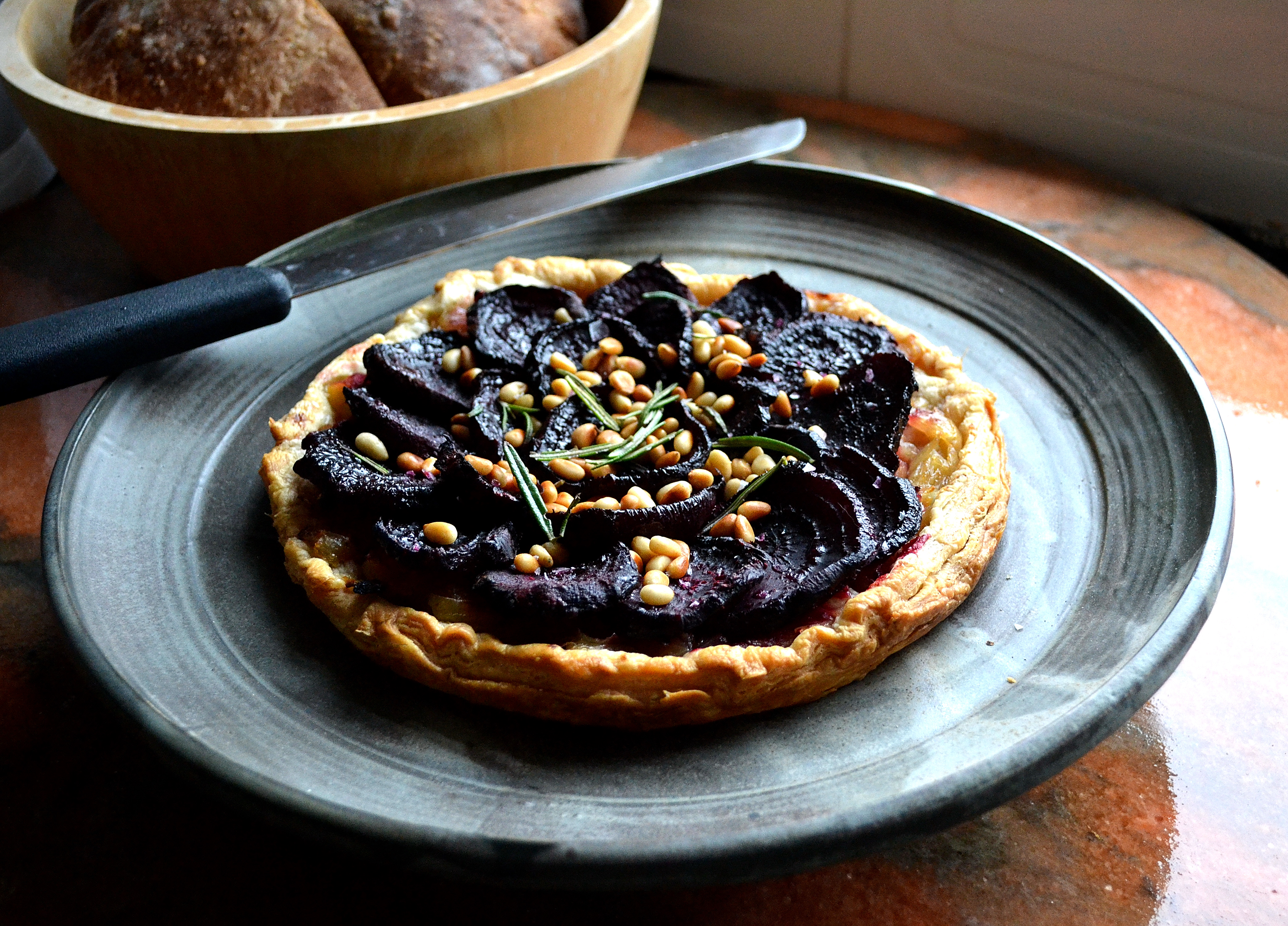
DSC_0350aI had never heard the term “the hungry months” until I came to London. Going to farmers markets in February and March, however, it takes on resonance. There are bins of tubers, alliums, parsnips, beets, last fall’s apples, and not much else. If you want to do truly locavore eating in the chilly North, these foods are your staple ingredients. But they are cheap! And, actually, wonderfully versatile. For example, the under-regarded onion is marvellously adaptable. Last week, I bought a lot of monstrous firm yellow onions thinking I’d use them for onion jam. From that initial premise sprang this tart, in which the onion jam is modified into a gently sweet onion and apple compote, topped with beetroots that have first been slow roasted, and served on crispy puff pastry with pinenuts and rosemary. The end result doesn’t taste like winter food at all; it tastes sunny and Mediterranean, like something you’d enjoy on a terrace with a glass of crisp white wine. Continue reading

Awadh-Style Curried Asian Eggplant

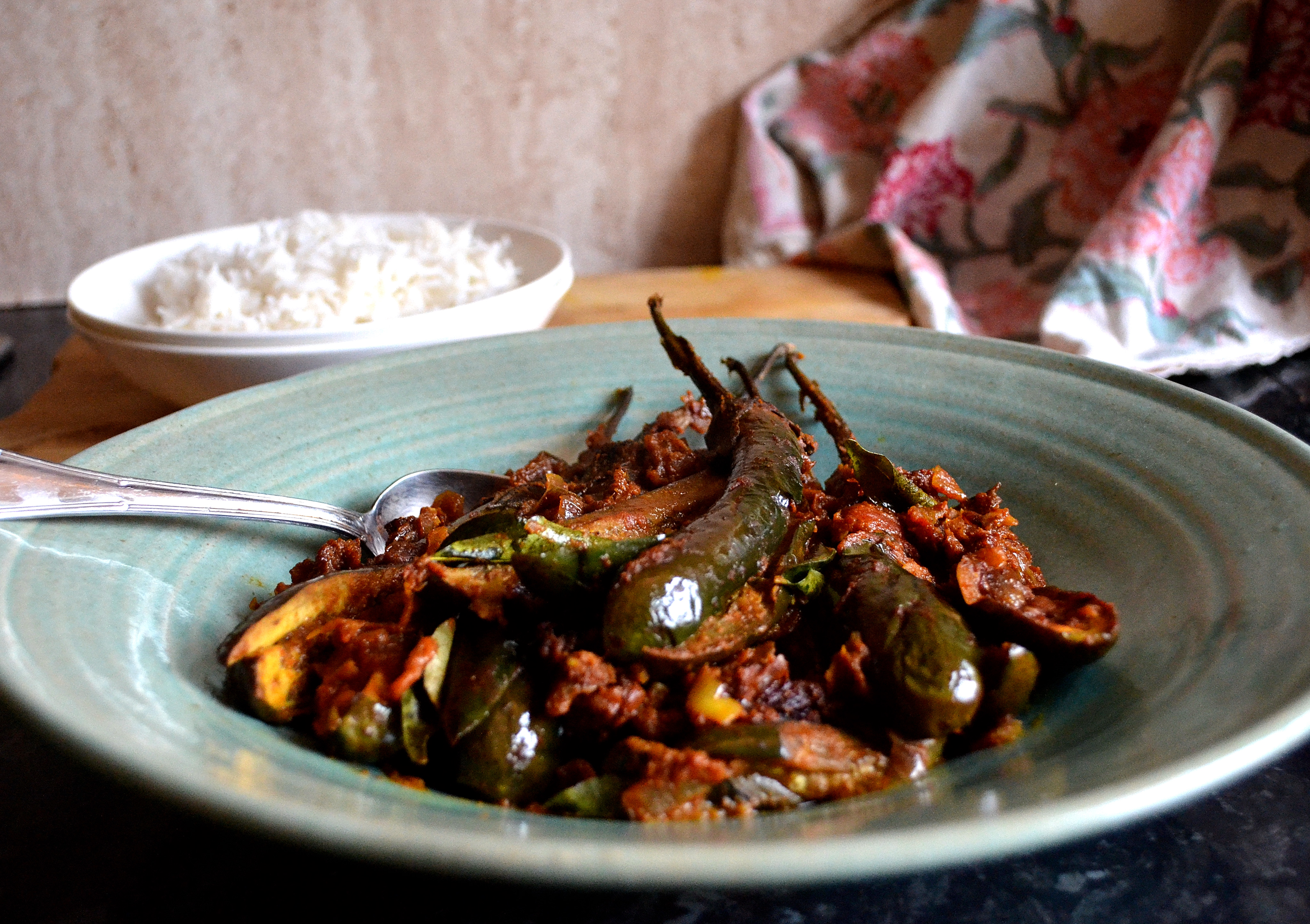
DSC_0322aThe versatile aubergine is so gloriously exotic that it should occupy some mystical plateau, like chocolate. The Mayans weren’t mixing eggplants into their sacred ceremonial brews, but they should have been. The idea is not so farfetched, either – the eggplant apparently contains more nicotine than any other plant except tobacco (although you would have to consume 20 pounds of eggplant to ingest the same amount of nicotine in a cigarette). And of course the eggplant is a member of the nightshade family (along with potatoes, tomatoes, and capsicums). For this Awadh curry I used Asian eggplants, which have thinner skin and more delicate flesh than Italian eggplants. Unlike Italian eggplants, Asian eggplants do not have to be peeled: the skin is tender and not bitter. Fully cooked, Asian eggplants have a consistency like hot custard. Hot, savory, delicious umami custard. Continue reading

Eating in Warsaw – U Kucharzy and Stary Dom

It feels like it is always winter in Warsaw. The city is flat, like a prairie or steppe. Once a beautiful city, Warsaw was virtually razed to the ground by the Nazis in 1944 in brutal reprisal for the Polish resistance. It was rebuilt by the Communists into squat utilitarian concrete blocks. Only the old town, also destroyed by the Nazis, has been reconstructed in a painstakingly exact facsimile of the beautiful gothic historic center that used to exist. Warsaw’s streets are broad and straight, and an icy Siberian wind sweeps from east to west.

I was in Warsaw most recently in December, with my mother. It was brutally cold; a dull leaden sky hung low over the city, through which one could occasionally catch glimpses of the sun, a distant icy disc. It snowed every day. The snow blew down the tram lines and squeaked underfoot. Softened by years in temperate Seattle and gentle, gray London, I was so cold. Moisture from my breath condensed and froze on the scarf I had wrapped around my face. I breathed in shallow little gasps. I was too cold to think, too cold to talk. It was in Warsaw that I discovered I have Raynaud’s disease, in which decreased blood flow to the extremities causes them to turn white and numb. My mother and I would set out to walk the city. I would last twenty, maybe thirty minutes before my toes would lose sensation, and then start to ache. There was a narrow window of time, at this point, before the pain would become unbearable and I would have to stop somewhere warm.

On Saturday my mother and I took the tram to the corner of Jerozolimskie and Marszalkowska and then walked to Nowy Świat on our way to the Old Town. It was early afternoon, past lunchtime; we had maybe an hour more of daylight. My mother had a destination in mind, U Kucharzy, in what used to be the hotel Europejski, one of the few buildings that survived the Nazis. A wonderful example of Art Deco opulence, the Hotel Europejski stolidly faced its arch-rival across the street, the elegant Art Nouveau Hotel Bristol. The Gessler group has taken over and renovated what used to be the vast kitchens below the hotel. They’ve kept the massive oil stoves, the tiled walls, and the checkered floors. On a far wall in a small dining room is an enlarged black-and-white photograph of the hotel in its heyday, thronged with people in elegant formal dress. From a distance, they almost look real. Continue reading

Mexican Milk-Braised Brisket

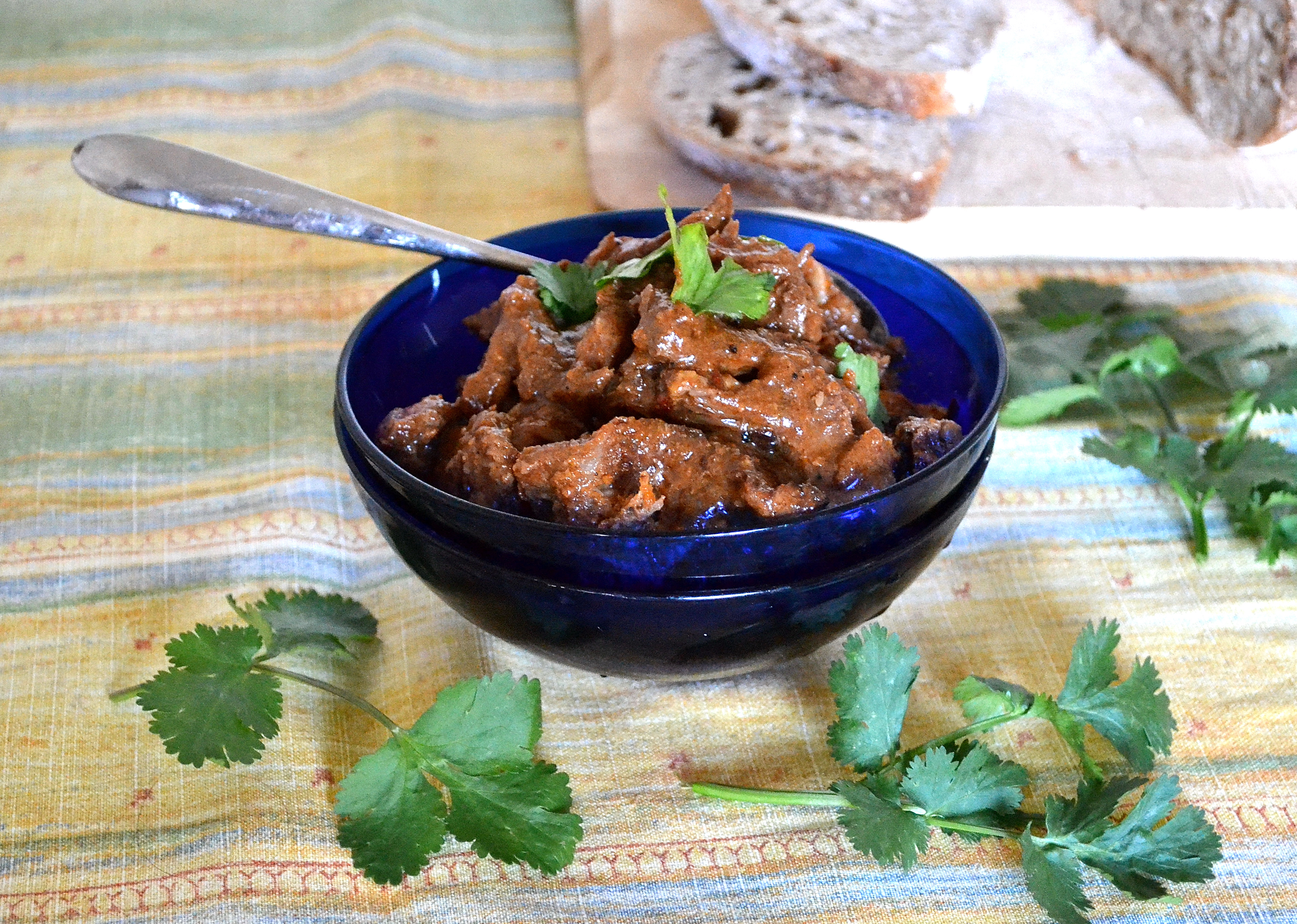
DSC_0288aAlmost exactly a year ago, I ate at El Suadero, the Monday night Mexican pop-up at Sitka and Spruce in Seattle, which is where I had the unforgettable eponymous milk-braised veal brisket that inspired this dish. Sometime after I returned to London, I set about finding boneless rolled veal brisket, which is what I decided that I needed to recreate it. Starting from the premise that I would only buy free-raised veal, I bought two rolled veal briskets from the lovely people at the Wild Beef Company, which sometimes trades at the Borough Market, and excitedly told my father what I planned to make. My father, who is not a religious man but can have a cruel streak, intoned ominously, “Thou shalt not seethe the calf in its mother’s milk.” Continue reading

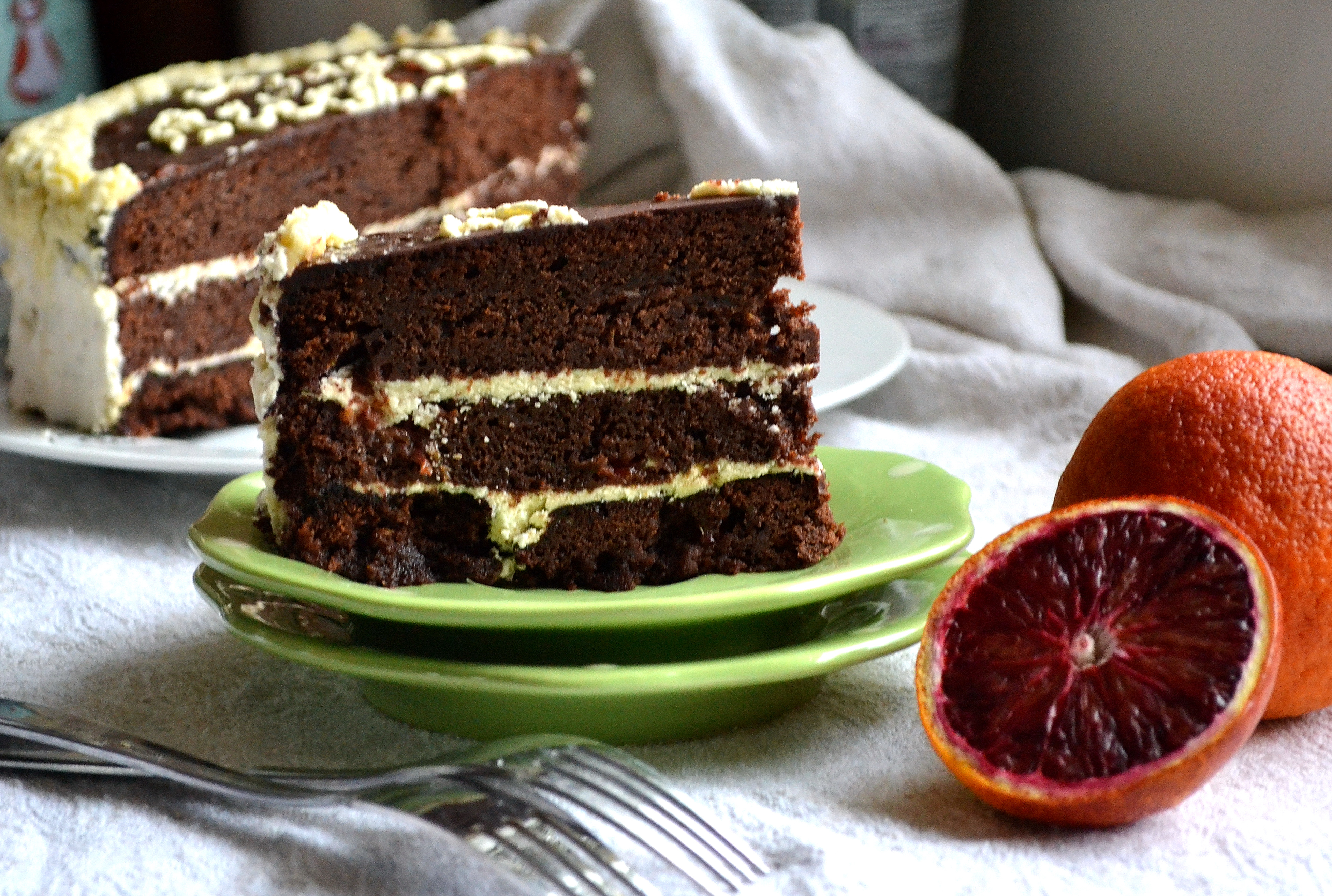
Dark Chocolate Blood Orange Cake with Blood Orange Buttercream

DSC_0266aThere is something that feels literally magical about the start of blood orange season. A few weeks after the excitement of Christmas and New Year’s has died, when we’ve glumly settled into the January doldrums, being beset by cold toes precludes us from wearing anything but big clumpy shoes, and slushy snow feels rather less than miraculous, the blood oranges suddenly … appear. There they are at the greengrocer’s, putting clementines, humdrum navel oranges and even Sevilla oranges to shame. They’re like visitors from a superior planet. Blood oranges would be irresistible even if they weren’t so glorious-looking, but slicing open a blood orange to reveal its saturated pomegranate-red flesh gives me an almost voyeuristic thrill. So beautiful, so delicious. Continue reading

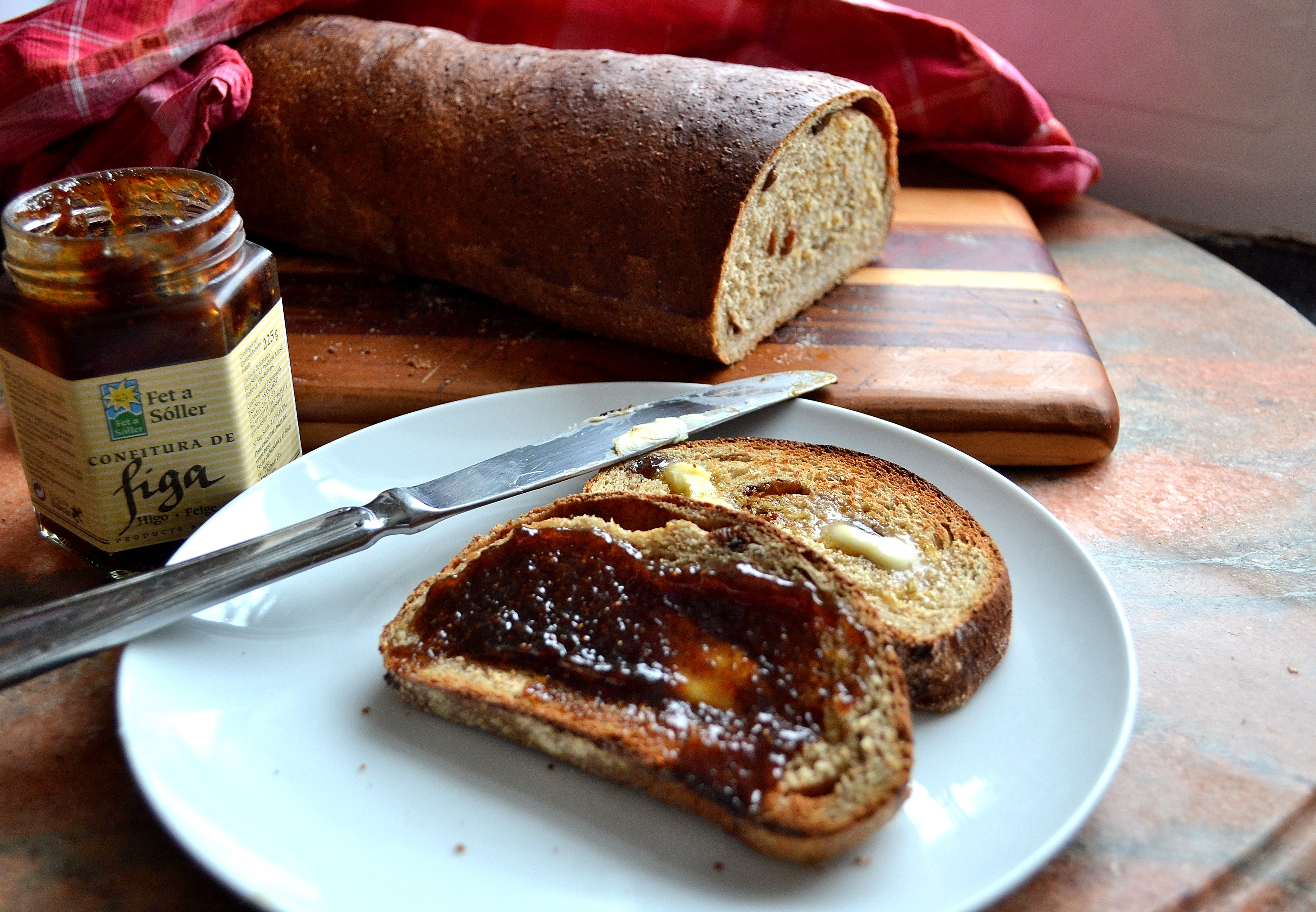
Wholemeal Orange Cinnamon Raisin Bread

DSC_0196aJanuary’s obsession is bread. To be precise, January’s obsession is mastering sourdough, which I’ve always found intimidating. I AM NEARLY THERE, PEOPLE. When I am reliably turning out perfectly fluffy, chewy loaves, gorgeously slashed and floured, you can expect a (probably long-winded) blog post giving away all my secrets. Yesterday, however, I took a break from sourdough (er, I’m awaiting the delivery of a very high-gluten flour that will Make All The Difference), to make this yeasted orange cinnamon raisin bread. Continue reading